Namibia is a country of rugged landscape, big skies, and the kind of rare beauty few other places can claim. From its desert landscape, haunting coastline, and superb game parks, Namibia is arguably one of southern Africa’s hidden gems.
If you’ve never considered a trip to Namibia, we’ve compiled these 10 compelling reasons to visit Namibia.
1. Desert, Dunes, Deadvlei
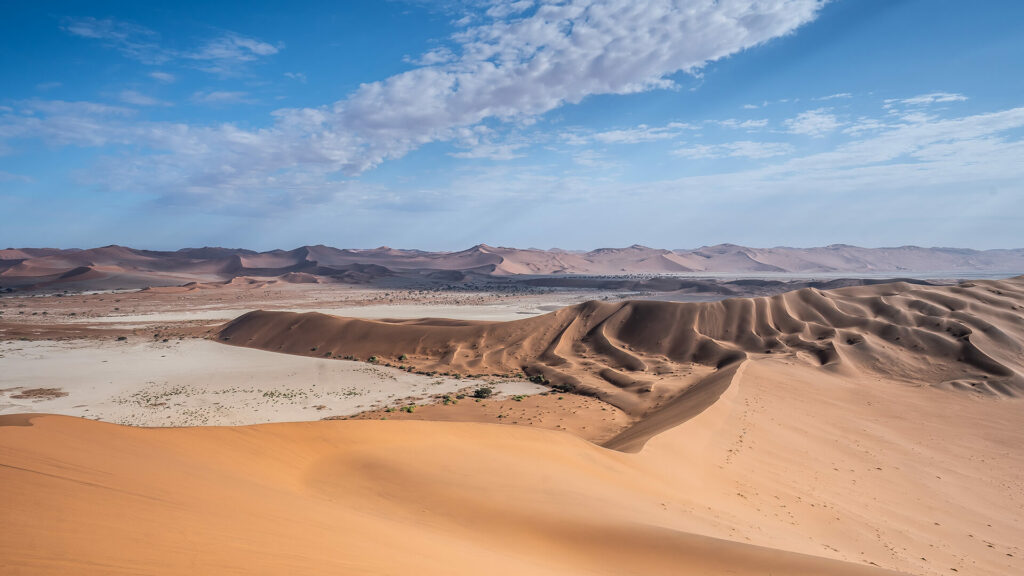
The Namib-Naukluft National Park is home to some of the world’s highest dunes. These towering rusty-red dunes change colour spectacularly throughout the day as the sun’s position changes.
Many lodges nearby offer fun activities here including quad biking and sandboarding, as well as climbing the iconic Dune 45 and the highest dune which is so old that its sand dates back some 5 million years.
Check out this bucket-list experience: Fat Bike Ride with Sandboarding & Picnic Lunch.
The starkly contrasting Deadvlei nearby is a sun-bleached landscape of grey and white pans dotted with eerie petrified camel-thorn trees.
2. Fish River Canyon
Second in size only to the Grand Canyon in America, the Fish River Canyon is 160km long and, in places, as deep as 550m. It’s a spectacular region of arid landscapes carved out by the Humble Fish River over millennia and offers some exceptional hiking.
Plunging Ravines, towering rock faces, and diverse habitats with a variety of species present, the Fish River Canyon is a popular destination with adventurers, hikers, photographers, and nature lovers.
3. Etosha National Park
When it comes to wildlife experiences, Etosha is known as one of Southern Africa’s most popular parks. Because of its relatively dry climate, animals tend to congregate around any available water source and so are easy to find, offering rewarding sightings. In fact, many camps and lodges are situated near water holes, so you may not even have to go far to see wildlife.
Etosha means ‘great white area’, referring to the large salt pan – the biggest of its kind in Africa. After good rains, the salt pan fills with water, attracting a flurry of thousands of flamingos – truly spectacular.
4. Himba Tribe
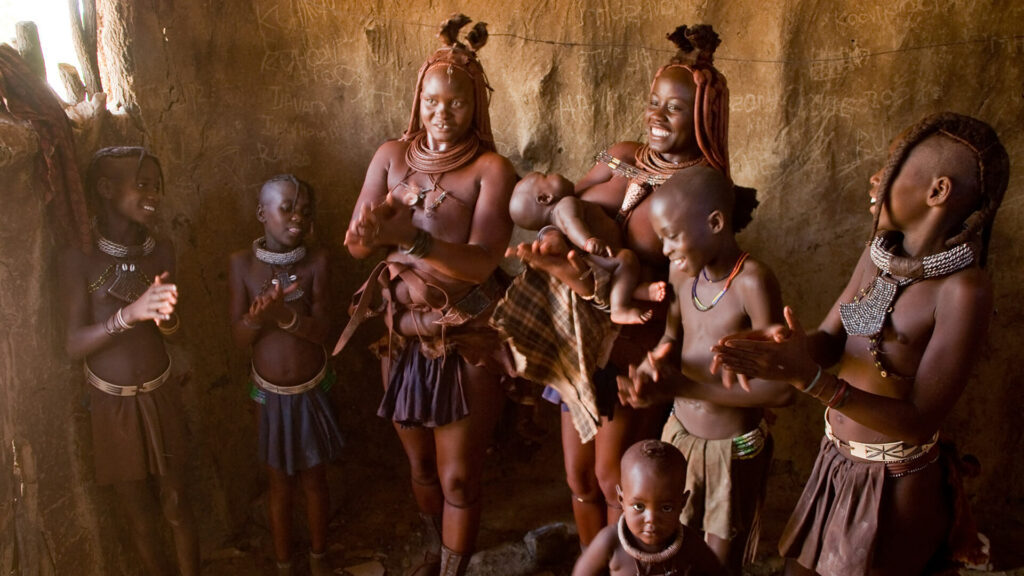
The Himba people of Namibia are an ancient, semi-nomadic tribe. The women of the tribe are easily identified by the red clay coating their hair. Visit a traditional Himba village where you can learn more about their way of life which has changed little over centuries. This activity is already included in some of our ZULA itineraries for Namibia – book the Northern Explorer itinerary, or discover Deserts, Tribes & Culinary Delights, or enjoy Wide-open Spaces, Dunes & Endless Skies.
5. Balloon Safaris
An optional activity not to be missed is a hot-air balloon safari over Sossusvlei’s dunes and the Namib Rand Nature Reserve. Few experiences can compare with seeing this exceptional landscape from above as you glide along in a balloon.
You’ll set out early before sunrise and as you float above the desert, you’ll see it come to life as the day begins. The trip takes around three hours, passing over undulating dunes and herds of wildlife, and culminates in a champagne breakfast in nature upon landing.
Note: this activity is weather dependent and must be booked well in advance. It can be booked with any stay in and around Sossusvlei.
Check out Namib Sky Hot Air Ballooning.
6. Skeleton Coast and Cape Cross Seal Colony
The Skeleton Coast of northern Namibia is a rugged stretch of coastline. Rough seas, strong currents, and fog have caused many a ship to run aground here, their remains evident along the shore – stay in this coastal region and embrace this hostile but fascinating environment. Not only this but whales have been known to become stranded here.
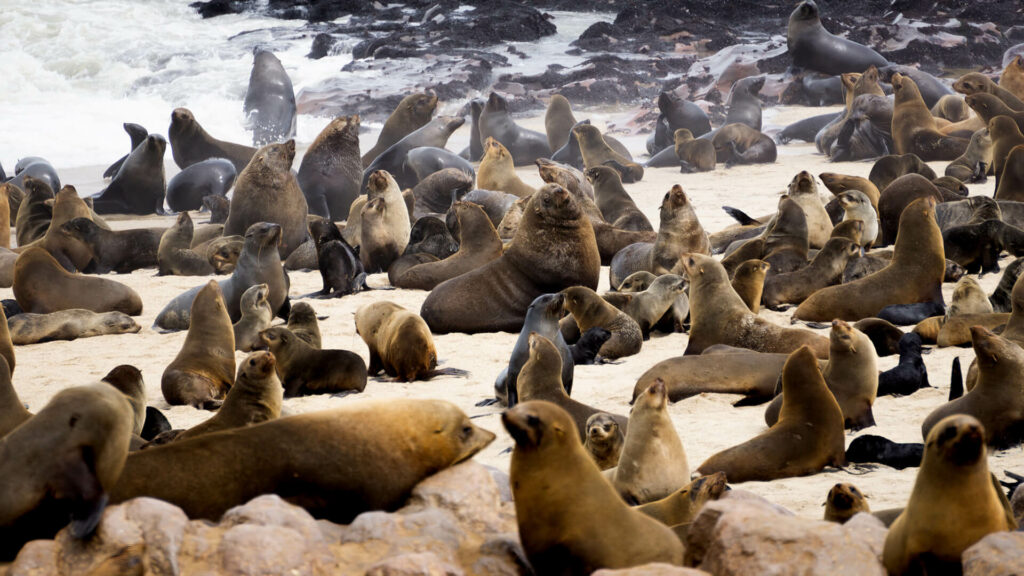
Despite its haunting and inhospitable character, the coastline is home to a variety of hardy wildlife, including elephants, rhino, giraffe, and antelope. There’s also an impressive Cape fur seal colony at Cape Cross that attracts many visitors annually. The sight of that many seals is truly unforgettable.
Consider this experience: Pelican Point Kayaking.
7. Swakopmund
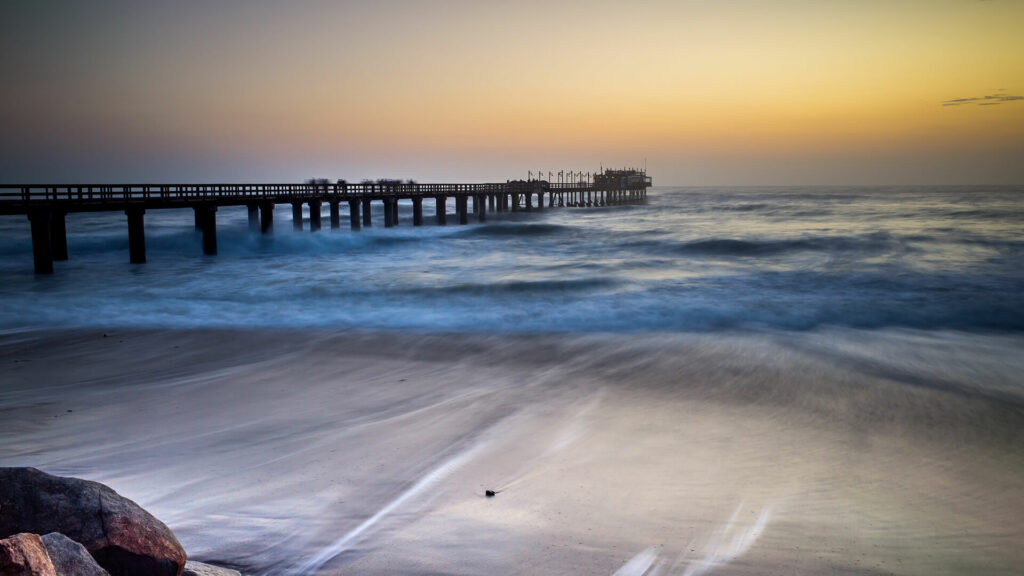
This coastal town is tucked between the Namib Desert and the ocean and is a popular stop on most trips to Namibia. With its distinctly German heritage, you’re guaranteed great beer and traditional German food, while taking in the history and charming sights of this colourful town.
8. German culture
Speaking of German culture, Namibia has a strong German influence which can be felt in many towns and cities, both in the architecture and the food. Windhoek, the capital city which features plenty of German influence, hosts the annual Oktoberfest – a celebration of German culture, beer, and food.
The town of Luderitz was the first German settlement in the then South West Africa. The town still exudes its German cultural influence and several examples of Art Nouveau architecture with a distinctly German feel. Luderitz is also popular with speed sailing enthusiasts who come to take part in the annual Lüderitz Speed Challenge.
9. Kolmanskop
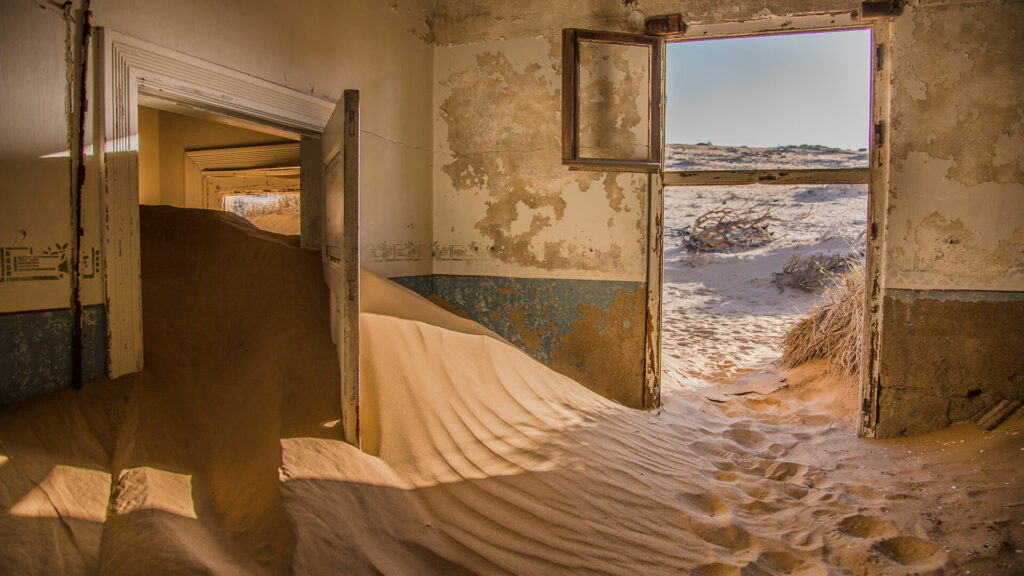
If you’re visiting Luderitz, a must-see is the ghost town of Kolmanskop. The once-thriving diamond town was left deserted by 1954 and has slowly been reclaimed by the red Namibian sand. This historic ghost town is alive with history and is well worth a visit. This is a popular spot with photographers.
10. Desert elephants
Seeing elephants in the wild is always a highlight, but in the desert-scapes of Namibia, it’s even more incredible. The rare desert-adapted elephants that roam the stark and rugged landscapes of the northern Kunene region and Damaraland follow the dry riverbeds that flow briefly with water for a few days each year. They have learned to thrive on the sparse vegetation that springs up in this unforgiving terrain.
Slight physical adaptations are noticeable, like their larger feet which help them not sink into the sand.
The desert elephant excursion can replace any itinerary activity in the same area or add to any program as an additional activity.
Check out Desert Elephant Safari and Desert Elephant Sleep-Out.
Bonus point: Safe, easy, and crowd-free
Namibia is an easy destination to explore and ideal for family holidays. Great infrastructure makes this a popular self-drive destination, and with the world’s lowest population distribution, you’re assured a blissfully crowd-free experience. Social distancing at its absolute best.
The Namibian people are warm and friendly, and a visit here is one that is really safe, with crime only really an issue in the larger cities as you would expect from any destination. English is spoken widely throughout the country too, so there aren’t any language barriers to navigate either.

